How to Choose a Tool Kit: A Smart Buyer's Guide
how to choose a tool kit?
Unpacking Your Toolkit Needs: Beyond the Hammer and Wrench
Choosing a tool kit starts with one honest question: what are you actually trying to fix, build, or maintain? Match your tools to your real projects, prioritize quality materials, and you won't buy the wrong kit twice.
What's Your "Why"? Understanding Your DIY Goals
Before buying a single tool, get honest about your goals. Weekend furniture assembly is a different animal from ongoing home repairs or full renovation projects. Write down your three most common household tasks. That list is your actual shopping list--not the fantasy one.
Hand Tools vs. Power Tools: The Foundation of Your Collection
Hand tools--hammers, screwdrivers, pliers--handle precision work and tight spaces. Power tools multiply your speed and force for bigger jobs. Most homeowners need a solid hand-tool base first, then add power tools as specific projects demand them. Skipping ahead to a power tool collection before you've got the basics is like buying a sous vide machine before you own a decent knife.
The "Home Chef" Analogy: Why Quality Tools Make All the Difference
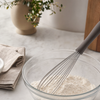
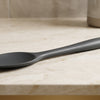
Think about how a serious home cook approaches the kitchen. They don't grab the cheapest spatula off the shelf--they invest in kitchen tools built to perform under real conditions. The same logic applies to your garage. A quality tool feels better in your hand, holds up longer, and makes the work genuinely easier. Cheap tools cost you twice: once at purchase, once when they fail mid-project.
Building Your "Forever" Toolkit: Investing in Quality and Durability

Material Matters: What to Look for in Durable Tools
Drop-forged steel resists bending and cracking under real pressure. Chrome-vanadium alloy is the accepted standard for wrenches and sockets. Avoid tools labeled only as "steel alloy" without specification--that vagueness is a red flag for low-grade materials. Good brands tell you exactly what's in their tools. If they don't? Keep walking.
Ergonomics and User Experience: Tools That Feel as Good as They Work
| Feature | Budget Tools | Quality Tools |
|---|---|---|
| Grip Material | Hard plastic | Cushioned, non-slip rubber |
| Handle Balance | Top-heavy | Centered weight distribution |
| Fatigue After 30 Min. | High | Low |
| Warranty | None or 90 days | Lifetime or limited lifetime |
The DI ORO Difference: Why Warranty Philosophy Applies to Your Tools
DI ORO's "you break it, we replace it" approach reflects a simple truth: brands that build quality tools stand behind them. When shopping for a new kit, put manufacturers offering lifetime warranties at the top of your list. That commitment signals real confidence in their own products--and it should signal real confidence in your buying decision, too.
The "Must-Have" Toolkit Essentials for Every Home
The Core Hand Tool Collection: Your Problem-Solving Powerhouses
- 16 oz. claw hammer: driving nails, light demolition
- Phillips and flathead screwdrivers (multiple sizes): nearly every repair you'll face
- Adjustable wrench (10-inch): plumbing and hardware tightening
- Needle-nose pliers: electrical work and tight-space gripping
- 25-foot tape measure: furniture placement, framing, and more
- Utility knife: cutting drywall, carpet, and packaging
When to Bring in the Big Guns: Essential Power Tools
A cordless drill/driver handles most power-tool needs for most homeowners. Add a circular saw when you take on woodworking projects, and a jigsaw for curved cuts. Buy these individually as your projects grow rather than in low-quality combo packs--those bundles are where corners get cut and where tools end up gathering dust.
Specialized Kits: Tackling Specific Projects with Confidence
Electrical work calls for a dedicated voltage tester and wire stripper set. Plumbing repairs need a pipe wrench and a basin wrench. Specialty kits keep your core collection clean and your project-specific tools organized and ready--so when you need them, you're not digging through a junk drawer at 9pm.
Smart Shopping Strategies: Pre-Made Kits vs. Building Your Own
Pre-Made vs. Custom: Weighing Your Options
Pros of Pre-Made Kits
- Immediate readiness, no research required
- Often includes a carrying case
- Lower upfront cost
Cons of Pre-Made Kits
- Includes tools you may never use
- Individual tool quality varies widely
- Hard to upgrade one piece at a time
Building Your Custom Toolkit
Start with five core hand tools, use them for six months, then identify the gaps. This approach prevents impulse purchases and ensures every tool earns its drawer space. Buy what you'll actually use. Buy it right the first time. That's the whole strategy.
Budgeting Wisely: Getting the Best Value
Allocate roughly 60% of your budget to hand tools and 40% to your first power tool. Spend more on tools you reach for daily--screwdrivers, a hammer--and save on specialty items used rarely. A $150 well-chosen starter kit outperforms a $300 bloated one every time. Every dollar should pull its weight.
Your Toolkit, Your Rules: Final Thoughts on Buying Smart

Knowing how to choose a tool kit isn't about memorizing a shopping list. It's about developing a buying mindset. The people who build the best toolkits share one habit: they buy with intention, not impulse.
Quick recap:
- Start with your actual projects, not a fantasy renovation wish list.
- Prioritize drop-forged steel and lifetime warranties over attractive price tags.
- Build your hand tool base first, then add power tools as real projects demand them.
- Pre-made kits work for beginners; custom builds work better for everyone else.
- Spend most of your budget on daily-use tools and save on specialty items.
It's the same principle that guides serious home cooks who invest in quality kitchen tools rather than filling drawers with gadgets they never touch: buy fewer things, buy them better, and they'll serve you for years. A drawer full of cheap tools that wobble, strip, and break isn't a toolkit. It's a frustration collection.
One last thought: As your skills grow, your toolkit should grow with them. Revisit your collection every year. Retire tools that underperform. Add tools that solve new problems. Choosing a tool kit isn't a one-time decision--it's an ongoing practice, just like getting better in the kitchen.
Quality kitchen tools and quality hand tools share the same DNA: designed for real use, built to last, and worth every dollar when you reach for them on a Saturday morning with a project in front of you and zero time for tools that let you down.
Frequently Asked Questions
What should I look for in a tool kit?
When choosing a tool kit, prioritize quality materials like drop-forged steel and chrome-vanadium alloy for durability. Look for comfortable, ergonomic grips that make work easier and reduce fatigue. A strong warranty, like our DI ORO Forever Warranty, signals a brand's confidence in their product's lasting performance.
What is the best brand of tool kit to buy?
The best tool kit brands are those that stand firmly behind their products with comprehensive warranties, often a lifetime commitment. This commitment reflects a dedication to quality materials and superior craftsmanship. Just as you trust DI ORO for kitchen essentials, seek out tool manufacturers who prioritize durability and user satisfaction.
What are the 5 basic tools?
For a foundational tool kit, every home needs a 16 oz. claw hammer, Phillips and flathead screwdrivers in various sizes, a 10-inch adjustable wrench, needle-nose pliers, and a 25-foot tape measure. These core hand tools are your problem-solving powerhouses for most common household tasks.
How do I choose the right tool?
To choose the right tool, begin by honestly assessing your specific DIY goals and the projects you truly intend to tackle. Match your tools to these real-world tasks, focusing on quality over simply filling a box. It's like selecting the perfect DI ORO utensil for a particular cooking technique, intentionality leads to better results.
What's a tool everyone should own?
Beyond the essential hand tools, a cordless drill/driver is an incredibly versatile tool everyone should consider owning. It makes quick work of assembly, hanging, and many repair jobs, multiplying your speed and force. It's a true workhorse, much like a favorite DI ORO spatula that you reach for again and again.




Please upload banner from store admin blog pages