Cooking Non Stick Cookware: Ultimate 2026 Guide with Expert Tips
cooking with non stick cookware
Cooking with Non-Stick Cookware: Complete Guide
The Truth About Non-Stick Cookware Safety
Modern non-stick cookware is safe when used correctly. The real risks? Overheating, scratches from metal utensils, and cooking with damaged coatings. Your choice of cooking tools matters just as much as the pan itself.
Understanding Non-Stick Coatings: PTFE, Ceramic, and Modern Alternatives
PTFE (polytetrafluoroethylene) coatings have been around for decades and remain stable at normal cooking temperatures. Below 500°F, they release zero harmful compounds. Ceramic coatings use a sol-gel process to create a slick surface without PTFE--think of it as creating a glass-like layer that food can't grab onto.
Here's where the confusion starts: older PTFE manufacturing processes used PFOA, a compound that raised health concerns. But modern PTFE pans made after 2013 contain no PFOA. None. If you've been worried about "Teflon toxicity," you can relax. The issue was with how pans were made, not what they're made of.
Separating Fact From Fear: What the Research Actually Shows
Cooking with non stick cookware poses minimal risk when you keep temperatures below 500°F. The American Cancer Society confirms that normal cooking doesn't produce dangerous fumes. Problems only arise above 600°F--a temperature you'll rarely hit in home cooking.
Scratched surfaces raise valid concerns. Damaged coatings can flake into food and kill your pan's performance. This is where utensil selection becomes critical. Silicone, wood, and nylon tools protect coatings from the damage that metal spatulas create with every scrape.
Why Your Spatula Matters More Than Your Pan
A $200 pan paired with a $5 metal spatula will fail faster than a $40 pan used with proper tools. The coating's durability depends entirely on what touches it daily.
The Utensil Factor
DI ORO's award-winning spatulas feature pro-grade silicone that won't scratch, melt, or bend. With an 18/10 stainless steel core and BPA-free construction certified by US FDA and German LFGB standards, they're designed specifically to protect your cookware investment. Every flip preserves your pan's coating instead of destroying it.
Getting Started: Your Non-Stick Pan's First Day

Pre-Use Preparation and Why It Matters
Before your pan's debut performance, wash it with warm, soapy water and a soft sponge. Manufacturing residues need to go. Dry completely, then apply a thin layer of cooking oil to the surface. Heat on medium-low for two minutes, let it cool, and wipe clean.
This process fills microscopic pores in the coating, supercharging your pan's non-stick performance from day one. Think of it as priming a canvas before painting.
Temperature Guidelines for Different Coating Types
PTFE coatings tolerate up to 500°F safely. Ceramic coatings perform best below 450°F and can lose their mojo when repeatedly exposed to high heat. Start with medium or medium-low settings--most stovetop cooking happens between 300°F and 400°F anyway.
Preheat for one to two minutes. This ensures even heat distribution without temperature spikes that stress the coating.
Is non stick pan good for deep frying? Not really. Oil temperatures for frying (350°F to 375°F) combined with prolonged heating stress coatings unnecessarily. Save your non-stick pans for eggs, fish, pancakes, and delicate foods where they shine. Use cast iron or stainless steel for frying.
Choosing the Right Utensils to Protect Your Investment
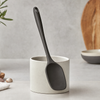
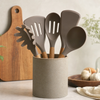
Silicone spatulas designed for high temperatures prevent the scratches that compromise non-stick surfaces. The DI ORO Designer 3-Piece Everyday Spatula Turner Set includes three sizes perfectly matched to different tasks:
- Cookie Spatula: 9.5 in x 2.75 in with a 3 in blade--slides under delicate items without breaking them
- Classic Spatula: 11.6 in x 3 in with a 4.6 in x 3 in blade--your everyday workhorse
- Pancake Spatula: 11.2 in x 5.2 in with a 4.3 in blade--handles larger surface areas with ease
Each features 100% silicone handles heat-resistant to 600°F with an 18/10 stainless steel reinforced core that won't bend during flipping. The non-slip grip stays comfortable during extended cooking sessions, and they're dishwasher-safe. DI ORO backs them with a Forever Warranty--we mean it.
Daily Cooking Practices That Extend Pan Life
Heat Management: Why Medium-Low Is Your Secret Weapon
Most home cooking happens between 300°F and 400°F. Medium or medium-low settings hit these temperatures without stressing your pan's coating. High heat degrades non-stick surfaces over time, even below the 500°F threshold.
Patience during preheating pays off. Give your pan two minutes to reach an even temperature rather than cranking the burner to high. How to use non stick pan for the first time--and every time after--starts with respecting temperature limits.
Ceramic coatings suffer from thermal shock when exposed to rapid temperature changes. Let pans cool before washing. Never place a hot pan under cold water.
Oil and Butter Best Practices
Non-stick surfaces still benefit from a light coating of fat. Oil or butter fills microscopic gaps in the coating, creating an even better release surface. Use just enough to lightly coat the pan--about a teaspoon for a standard skillet.
Add oil after preheating but before it starts smoking. Butter browns beautifully at medium heat. Need slightly higher temps? Switch to clarified butter or ghee.
Avoid aerosol cooking sprays. They contain lecithin and other additives that build up into a sticky film, reducing non-stick performance and requiring aggressive scrubbing to remove.
Utensil Selection and Technique to Prevent Scratching
Every metal spatula scrape removes microscopic particles from your pan's coating. The difference shows up after months of use: pans used exclusively with proper utensils maintain their non-stick properties years longer.
Technique matters too. Slide utensils under food rather than pressing down hard. Let heat do the work of releasing food naturally. If you're forcing the utensil, you're too early--and you're risking scratches.
Tool Temperature Tolerance
Standard nylon spatulas melt around 400°F. Wooden utensils char and splinter with repeated high-heat exposure. Silicone rated to 600°F, like the DI ORO Designer 3-Piece Everyday Spatula Turner Set, handles any stovetop temperature safely. The 18/10 stainless steel reinforced core prevents flexing that can scrape coating edges when flipping heavier foods.
Common Mistakes That Degrade Non-Stick Surfaces
Don't use non-stick pans for searing. Searing requires temperatures above 450°F--too hot for most coatings. The Maillard reaction that creates a golden crust happens best in stainless steel or cast iron. Save your non-stick pans for gentler methods.
Stop stacking pans without protection. Place a paper towel, cloth, or pan protector between nested cookware. This prevents the rim of one pan from grinding against another's cooking surface during storage.
Cleaning, Storage, and Restoration
Hand-Washing Techniques That Preserve the Non-Stick Coating
Let your pan cool completely before washing. Thermal shock from cold water on a hot surface can warp the pan and crack ceramic coatings. Use warm water, mild dish soap, and a soft sponge or cloth. Gentle circular motions remove food residue without abrading the surface.
Stubborn stuck-on food? Soak it. Fill the pan with warm soapy water and let it sit for 15 minutes. The food will release without scrubbing. For truly stubborn spots, make a paste from baking soda and water, apply gently, and rinse thoroughly.
Why Dishwashers and Metal Sponges Are the Enemy
Dishwasher detergents contain harsh chemicals that break down non-stick coatings over time. High-pressure water jets and intense heat accelerate degradation. Even pans labeled dishwasher-safe last longer with hand washing.
Metal scouring pads, steel wool, and abrasive cleaners scratch coatings beyond repair. Once scratched, a pan loses its non-stick properties in that area and the damage spreads with continued use. Are non stick pans safe when scratched? The coating itself is generally inert, but scratches kill performance and allow food to stick and burn.
Reviving a Fading Non-Stick Surface
How to make pan non stick again: Wash and dry completely, then apply a thin layer of vegetable oil. Heat on low for five minutes, let the pan cool, and wipe away excess oil. This "re-seasoning" process temporarily restores some non-stick properties by filling surface imperfections.
This works best on pans with minor wear. Deep scratches and flaking coatings can't be fixed. At that point, replacement becomes necessary. Proper daily care and the right utensils help prevent reaching this stage prematurely.
Storage Strategies to Prevent Damage
Hang pans when possible to avoid stacking. Wall-mounted racks or ceiling pot racks keep cookware accessible while preventing surface contact. If you must stack, always place a protective barrier between pans--felt pan protectors, paper towels, or clean kitchen towels work.
Store utensils separately from pans. Tossing metal forks or whisks into a pan creates scratches during storage.
The Secret to Long-Lasting Non-Stick: The Right Tools

Why Utensil Choice Is Just as Important as Pan Quality
You can buy the most expensive non-stick pan available, but one meal with metal utensils creates permanent damage. The coating is only microns thick. Every scratch exposes the base metal underneath and creates a spot where food sticks and burns.
Quality utensils are an investment in your entire cookware collection. Cooking with non stick cookware successfully means the spatula in your hand determines whether your pan lasts six months or six years.
Silicone, Wood, and Nylon: What Each Does and When to Use It
Wooden utensils look beautiful but absorb flavors, stain easily, and can't go in the dishwasher. They also char when left resting on a hot pan edge. Nylon utensils stay affordable but melt above 400°F.
Silicone combines the best of both: heat resistance, dishwasher safety, and non-reactivity with food. Pro-grade silicone handles everyday cooking without melting, warping, or retaining odors. The flexibility helps it conform to pan curves for efficient scraping and flipping.
How Heat-Resistant Spatulas Prevent Coating Damage
Standard spatulas fail in two ways: they either scratch the coating or melt onto it. Heat-resistant silicone spatulas eliminate both problems.
America's Test Kitchen tests hundreds of kitchen tools annually under rigorous conditions. Their recognition of DI ORO spatulas as the best all-purpose option validates what daily users already know: these tools work better. The DI ORO Designer Series features BPA-free silicone certified by US FDA and German LFGB standards--nothing unwanted touches your food.
The Forever Warranty isn't marketing language. It's a commitment that your tools will last as long as your passion for cooking.
Choosing the Right Non-Stick for Your Kitchen
Ceramic vs. Traditional PTFE: What Each Does Best
Is non stick cookware harmful to health? Not when you match the coating to your cooking style. PTFE coatings deliver consistent performance across a wide temperature range and maintain their non-stick properties for years with proper care. Ceramic coatings excel at lower-temperature cooking and appeal to cooks who prefer mineral-based surfaces. They require more careful heat management and can lose effectiveness faster with repeated high-heat exposure.
If you regularly cook eggs, fish, and delicate proteins at moderate temperatures, either option performs well. If you occasionally push temperature limits or want maximum durability, PTFE-coated pans offer more forgiveness.
Evaluating Quality, Warranty, and Brand Transparency
Look for pans with multiple coating layers rather than single-coat applications. Multi-layer construction resists scratching and extends usable life. Check for even base thickness, which prevents hot spots that cause food to stick and burn.
Warranty terms reveal manufacturer confidence. Lifetime warranties signal quality materials and construction. Read the fine print: some warranties exclude damage from metal utensils or dishwasher use--both preventable with proper care.
Building a Non-Stick Collection That Matches Your Cooking Style
Start with one 10-inch or 12-inch skillet for everyday cooking. Add an 8-inch pan for smaller portions. A non-stick saucepan rounds out the basics for sauces, oatmeal, and reheating.
Match your cookware to your actual cooking patterns. Make pancakes weekly? Invest in a quality griddle. Rarely cook eggs? A single skillet covers your needs. Quality beats quantity: three well-made pans with proper utensils outlast a drawer full of cheap cookware used with metal tools.
| Coating Type | Best For | Temperature Limit | Durability |
|---|---|---|---|
| PTFE Multi-Layer | Daily cooking, versatile use | 500°F | 3-5 years with proper care |
| Ceramic | Low to medium heat cooking | 450°F | 1-3 years with careful use |
| Reinforced PTFE | Heavy-duty home cooking | 500°F | 5+ years with quality utensils |
Building a Complete Cooking System
Beyond the Pan: Why Complete Kitchen Solutions Matter
Your cookware performs only as well as the tools you use with it. A premium pan paired with cheap utensils fails faster than budget cookware used with professional-grade tools.
Think of your kitchen as a system where each component protects and extends the others. The spatula you reach for daily determines whether your pan lasts one year or ten.
The Integration Approach to Kitchen Tools
Professional kitchens operate on a simple principle: every tool must serve multiple purposes and withstand constant use. Home cooks benefit from the same thinking.
Instead of collecting single-purpose gadgets, build around versatile, durable pieces that work across your entire cookware collection. Silicone spatulas protect non-stick pans, stir sauces in stainless steel pots, and scrape mixing bowls clean. This versatility reduces clutter while keeping the right tool within reach.
The DI ORO Difference in Cookware Protection
The Designer 3-Piece Everyday Spatula Turner Set addresses real cooking challenges with thoughtful sizing. Each piece features 100% silicone handles heat-resistant to 600°F, BPA-free construction certified by US FDA and German LFGB standards, and dishwasher-safe convenience.
It's not just about protecting your pans. It's about tools that make cooking easier, more enjoyable, and consistently successful.
Long-Term Value: Calculating the True Cost
A $30 non-stick pan used with metal utensils needs replacement within a year. That same pan used with proper silicone tools can last five years or more. The math is simple: spending $25 on quality spatulas saves $120 in replacement cookware over five years.
Does cooking in non stick pan cause cancer? Research shows that properly used modern non-stick pans pose no cancer risk. The bigger threat? Frustration from food sticking to degraded coatings, waste from discarding pans prematurely, and inconsistent cooking results from damaged surfaces. Quality tools eliminate these problems.
Cooking With Confidence: Your Path Forward

The question isn't whether non-stick cookware is safe. Modern coatings used at appropriate temperatures pose low risk. The real question is whether you're setting yourself up for success with the right techniques, temperature management, and tools.
Start with what you control: heat levels, utensil selection, and daily care habits. Keep temperatures at medium or below. Choose silicone, wood, or nylon tools that won't scratch. Hand wash with soft sponges. These simple practices transform how long your cookware performs.
Your spatula matters as much as your pan. Metal utensils create the scratches that raise safety questions and ruin non-stick properties. The DI ORO Designer 3-Piece Everyday Spatula Turner Set provides three sizes you'll reach for every day, backed by testing from America's Test Kitchen and a Forever Warranty that means something.
Great cooking happens when your tools work with you instead of against you. When your spatula glides across surfaces without catching, when nothing sticks or burns, and when cleanup takes seconds instead of minutes, you're free to focus on the food itself.
That's the difference between cooking as a chore and cooking as creativity.
For detailed science behind safe cookware usage and material impact, see this authoritative food safety science resource.
Frequently Asked Questions
What should you not cook in a nonstick pan?
Non-stick cookware truly shines with delicate foods like eggs, fish, and pancakes, where their easy release is a game-changer. We don't recommend using them for deep frying, as the prolonged high oil temperatures can stress the coating and shorten its lifespan. For those high-heat tasks, you'll find cast iron or stainless steel pans are much better suited.
Why do chefs not use non-stick pans?
While non-stick pans are a favorite for many home chefs, professional kitchens often lean towards stainless steel or cast iron. Chefs frequently cook at very high temperatures for searing or deglazing, which can quickly degrade non-stick coatings. They also use metal utensils and rigorous cleaning methods that are not ideal for preserving non-stick surfaces, making other materials more practical for their demanding environments.
Are you supposed to use oil in a non-stick pan?
Absolutely, even with non-stick cookware, a light coating of oil or butter is a smart move. This helps fill any microscopic gaps in the coating, creating an even smoother, more effective release surface for your food. Just a teaspoon for a standard skillet, added after preheating but before it starts smoking, is usually perfect.
What are the disadvantages of non-stick cookware?
The primary disadvantages of non-stick cookware stem from improper use, such as overheating or using metal utensils that cause scratches. Over time, excessive heat can degrade the coating, and physical damage can lead to flaking and reduced non-stick performance. They are also not the best choice for very high-heat cooking methods like deep frying.
Why should you stop using non-stick pans?
You generally don't need to stop using modern non-stick pans if you're using them correctly and caring for them. Today's non-stick cookware, especially PTFE pans made after 2013, are PFOA-free and considered safe when kept below 500°F. The real reasons to consider replacing a non-stick pan are if its coating is significantly scratched or damaged, or if you consistently expose it to extreme overheating.
How can I extend the life of my non-stick pan?
To truly get the most out of your non-stick pan, always cook with medium or medium-low heat and avoid sudden temperature spikes. Protecting the coating from scratches is key, so opt for soft utensils made from silicone, wood, or nylon. Also, remember to let your pan cool down completely before washing it with warm, soapy water and a soft sponge.
What kind of utensils should I use with non-stick cookware?
To keep your non-stick cookware performing beautifully, it's essential to use soft, non-abrasive utensils. Materials like silicone, wood, or nylon are perfect, as they won't scratch the delicate surface. Our DI ORO silicone spatulas, for example, are crafted with pro-grade silicone and a strong stainless steel core, designed specifically to be gentle on your pans while offering lasting quality.

Please upload banner from store admin blog pages