Crock-Pot and Pressure Cooker Guide for Home Cooks
crock-pot and pressure cooker
Crock-Pot and Pressure Cooker Guide for Home Cooks
You've got two hours before dinner, a pot roast that needs eight, and a kitchen full of promise. Sound familiar? Whether you're team slow-and-steady or fast-and-furious, understanding the real differences between a Crock-Pot slow cooker and a pressure cooker can change how you tackle weeknight meals and weekend feasts. Let's break down what each appliance does, which sizes fit your life, and how to convert recipes without turning dinner into mush.
Crock-Pot vs Pressure Cooker: Key Differences in Cooking Methods and Times
How Crock-Pots Cook Slow and Steady
Crock-Pots use gentle, indirect heat over four to ten hours, breaking down collagen in tough cuts while you're at work or asleep. The low temperature (around 190°F on low, 300°F on high) keeps liquid simmering without boiling, which means flavors meld beautifully but textures can turn soft. Add delicate vegetables in the final hour if you want any bite left--otherwise, they'll disintegrate into the broth.
How Pressure Cookers Speed Things Up with Steam and Heat
Pressure cookers trap steam to raise internal pressure, pushing temperatures up to 250°F and cutting cook times by 70% or more. That same pot roast? Done in 45 minutes. The sealed environment preserves moisture and nutrients, keeping vegetables firmer and colors brighter. The tradeoff: you can't peek or adjust mid-cook, so timing and liquid ratios matter more.
Direct Cooking Time Comparisons for Common Meals
| Dish | Crock-Pot (Low) | Pressure Cooker (High) |
|---|---|---|
| Pot Roast (3 lbs) | 8-10 hours | 45-60 minutes |
| Chicken Chili | 6-8 hours | 15-20 minutes |
| Dried Beans | 6-8 hours | 25-35 minutes |
| Beef Stew | 7-9 hours | 35-40 minutes |
Pressure cookers win on speed and energy use. Crock-Pots excel at hands-off convenience and richer, more developed flavors from extended cooking. Pick your champion based on whether you've got time or you're racing the clock.
Choosing the Right Size Crock-Pot or Pressure Cooker for Your Family

Best Sizes for Solo Cooks, Couples, and Families (4.5 qt to 8 qt Breakdown)
A crock-pot 4.5 quart model handles two to three servings--perfect for singles or couples who meal prep. Families of four to six often reach for a crock-pot 7-quart programmable slow cooker or a crock-pot 8-quart model to fit whole chickens, party-sized chili, or batch soups. Pressure cookers follow similar logic: a 6-quart works for most households, while an 8-quart tackles holiday gatherings and large roasts without crowding.
Programmable Features and Portability for Busy Lifestyles
A crock-pot programmable model lets you set cook times and switch to warm mode automatically, preventing overcooking when you're stuck in traffic. crock-pot cook and carry models add locking lids and gaskets for potlucks and tailgates. Pressure cookers with delay-start timers offer similar flexibility, though many require manual release once cooking finishes. If you're juggling kids and commutes, programmable features save the day.
Energy Use and Safety Mechanisms in Modern Models
Crock-Pots draw 75 to 150 watts over long periods, while pressure cookers use about 1,000 watts but finish faster--often consuming less total energy. Modern pressure cookers include automatic pressure release, lid-lock sensors, and overheat protection, addressing older safety concerns. Both appliances stay cooler than stovetops, making summer cooking more comfortable.
Must-Have Silicone Tools for Your Crock-Pot or Pressure Cooker
Why Heat-Resistant, Non-Scratch Utensils Prevent Kitchen Disasters
Ceramic and nonstick inserts scratch easily with metal utensils, damaging the surface and shortening the insert's life. Silicone tools rated to 600°F won't melt when you stir a bubbling stew or scrape fond from a pressure cooker pot. They're also gentler on hands when you're fishing out bay leaves or lifting braised short ribs.
DI ORO's Award-Winning Spatulas and Turners for 8 qt Pots and Beyond
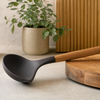
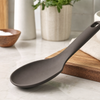
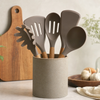
The Omelette Spatula pairs beautifully with deep Crock-Pots and pressure cookers, thanks to its stainless steel core that won't bend when you're lifting heavy roasts. The 100% BPA-free, LFGB-certified silicone handle stays cool and nonslip, even during long stirs. With 600°F heat resistance, it outlasts standard tools. Our Forever Warranty means you won't need to replace it due to defects or damage during normal use. America's Test Kitchen has named DI ORO a top pick for versatility--we're not just saying that to brag.
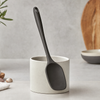
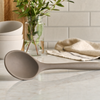
Pair the Omelette Spatula with our seamless spoonulas for stirring thick chilis or scraping every drop of sauce from an 8-quart insert without scratching. Dishwasher-safe cleanup makes post-dinner easier, so you can get back to the people who matter.
Recipe Conversions: Turn Crock-Pot Meals into Pressure Cooker Wins
Step-by-Step Adjustments for Time, Liquid, and Ingredients
Converting a Crock-Pot recipe to a pressure cooker starts with time: divide by four to six. An eight-hour chili becomes 15 to 20 minutes under pressure. Reduce liquid by about one-third since pressure cookers trap steam instead of evaporating it. If a pot roast calls for three cups of broth, start with two cups. Add quick-cooking ingredients like pasta or dairy after releasing pressure to prevent overcooking.
Tips for Tough Meats vs Delicate Veggies in Each Appliance
Tough cuts like chuck roast and pork shoulder work beautifully in both appliances but need different approaches. Crock-Pots break down connective tissue slowly, creating fall-apart texture after eight hours. Pressure cookers reach similar tenderness in about 45 minutes--a natural pressure release helps keep meat tender. For vegetables, add hearty roots like carrots at the start in pressure cookers, but place delicate zucchini or spinach on top and cook briefly. In Crock-Pots, add soft vegetables during the last hour to keep them intact.
Real Examples: Chili, Pot Roast, and Pasta Conversions
Chili Conversion: Eight hours on low becomes 15 minutes on high pressure. Brown meat first using sauté mode, reduce broth from three cups to two, add beans with spices, then cook. Use a 10-minute natural release to reduce splatter.
Pot Roast Conversion: A 10-hour roast becomes about 60 minutes under pressure. Sear the meat first, use two cups of liquid instead of three, and arrange vegetables around the sides. A 15-minute natural release helps keep the roast tender.
Pasta in Sauce: Don't cook pasta for hours in a Crock-Pot--it'll turn to mush. In a pressure cooker, add dried pasta with sauce for about half the package time (about five minutes for penne), then use a quick release and stir. The Omelette Spatula scrapes sauce cleanly without scratching the insert.
Pros, Cons, and When to Pick a Crock-Pot, Pressure Cooker, or Both

Hands-On Benefits for Time-Strapped Home Cooks
Crock-Pot Advantages
- Set-and-forget convenience for workdays
- Deeper flavor development from extended cooking
- No monitoring required after initial prep
- Warm mode keeps food ready for hours
Crock-Pot Limitations
- Requires morning prep or overnight planning
- Can overcook delicate ingredients
- Takes up counter space all day
- Not ideal for last-minute meals
Pressure Cooker Advantages
- Dinner ready in under an hour from frozen
- Keeps colors and textures brighter
- Often uses less energy overall
- Multi-function models can replace several appliances
Pressure Cooker Limitations
- Requires attention during cooking
- Seasoning adjustments must wait until cooking finishes
- Learning curve for timing and liquid ratios
- Natural release can add 10 to 20 minutes
Overcoming Safety Worries and Texture Challenges
Modern pressure cookers reduce risk with sensors and lid locks--they're safer than typical stovetop cooking. If you worry about overcooking, test doneness during steps that allow it, like after pressure release or during slow-cooker check-ins. Tools like the Omelette Spatula help you lift and serve without scratching inserts, thanks to heat-resistant silicone and a sturdy steel core.
Building Your Kitchen Setup with Reliable Family Favorites
Many home cooks keep both: a crock-pot slow cooker for Sunday meal prep and a pressure cooker for weeknight saves. Pair them with dishwasher-safe utensils backed by a real warranty. DI ORO's Forever Warranty replaces tools for defects or damage during normal use--the kind of support you want when you're cooking for the people who matter most.
Making the Right Choice: Your Path to Confident Cooking
Matching Appliance to Your Cooking Style and Schedule
Pick a Crock-Pot if you'll be away for eight hours and want dinner ready when you walk in. Programmable 7-quart models handle family meals without babysitting and switch to warm mode automatically. Choose a pressure cooker when you forgot to defrost chicken or need dinner fast. A 6-quart size covers most needs, from weeknight pasta to weekend ribs. If you batch-cook on Sundays and also face midweek scrambles, keeping both makes sense.
Investing in Tools That Last as Long as Your Appliances
Your slow cooker or pressure cooker deserves utensils that won't melt, scratch, or give out after a few months. DI ORO's pro-grade silicone tools resist temperatures up to 600°F, preventing melted handles while you stir bubbling stews or lift roasts. The stainless steel core in our Omelette Spatula flexes without bending, while BPA-free, LFGB-certified silicone keeps unwanted chemicals away from your family's food. Our Forever Warranty replaces tools for defects or damage during normal use. That's peace of mind you can cook with.
Next Steps for Home Chefs Ready to Level Up
Start with the appliance that solves your biggest pain point. Mornings too rushed for prep? A pressure cooker makes a 20-minute chili realistic. Always running late and love walking into a ready meal? A programmable slow cooker handles that beautifully. Once you've nailed a few core recipes, try conversions using the time and liquid adjustments above. Add silicone spatulas that protect your inserts and make cleanup faster. Then tackle that pot roast or overnight oats recipe you've been putting off. With the right appliance and tools built for real kitchens, you're not only cooking dinner--you're creating something your family will remember.
| Your Situation | Best Choice | Key Feature to Prioritize |
|---|---|---|
| Gone 8+ hours daily | Programmable Crock-Pot (7 qt) | Auto warm mode, locking lid |
| Frequent last-minute meals | Pressure cooker (6 qt) | Fast preheat, sauté function |
| Family of 6+ | 8-quart Crock-Pot or pressure cooker | Capacity for whole chickens, batch soups |
| Meal prepper | Both appliances | Dishwasher-safe inserts, energy efficiency |
| Small kitchen | Multi-function pressure cooker | Replaces rice cooker, steamer, slow cooker |
Your kitchen isn't complete without tools that match your ambition. Whether you're team slow-and-steady or fast-and-done, the right setup turns daunting recipes into weeknight wins. Pair your appliances with utensils built for safety, durability, and real cooking, and you'll have a setup that grows with every meal.
Frequently Asked Questions
What's the difference between a Crock-Pot slow cooker and a pressure cooker?
A Crock-Pot slow cooker uses low, consistent heat over many hours to tenderize tough cuts and develop deep flavors. A pressure cooker, by contrast, uses trapped steam to create high pressure and temperatures, drastically cutting cooking times while preserving moisture and nutrients. Each appliance brings a unique approach to your kitchen, helping you achieve different culinary results.
Can a pressure cooker be used as a slow cooker?
While many modern electric pressure cookers include a slow cooker function, their primary cooking methods are quite different. A pressure cooker excels at speed with high pressure, while a traditional Crock-Pot slow cooker provides gentle, long-duration cooking. If you are looking for that slow-and-steady flavor development, a dedicated Crock-Pot often delivers the best results.
Is there a combination slow cooker and pressure cooker appliance?
Yes, many modern electric pressure cookers are multi-functional appliances that include a slow cooker setting. These versatile kitchen tools offer the best of both worlds, allowing you to switch between fast, high-pressure cooking and gentle, long-duration simmering. It is a fantastic option for home chefs who love flexibility in their meal preparation.
What ingredients should not be cooked in a pressure cooker?
In a pressure cooker, it is best to avoid cooking delicate ingredients like thin pasta, dairy products, or tender leafy greens for the full cooking cycle. These items can easily overcook or curdle under high pressure. For best results, add them after the pressure cooking cycle is complete, allowing them to gently warm or cook briefly.
How do Crock-Pots and pressure cookers compare in cooking time?
The cooking times for Crock-Pots and pressure cookers are dramatically different. A Crock-Pot slow cooker typically takes 4 to 10 hours to cook meals slowly, perfect for hands-off convenience. A pressure cooker, by contrast, can reduce those times by 70 percent or more, turning an eight-hour pot roast into a 45-minute feast. This speed makes pressure cooking ideal for busy weeknights.
What size slow cooker or pressure cooker is best for my family?
Choosing the right size depends on your household and cooking habits. For solo cooks or couples, a 4.5-quart Crock-Pot slow cooker or a 6-quart pressure cooker is often ideal. Families of four to six might prefer a 7 or 8-quart Crock-Pot, or an 8-quart pressure cooker, to comfortably prepare larger meals or entertain guests.
Can I convert my Crock-Pot recipes for a pressure cooker?
Absolutely, converting Crock-Pot recipes for a pressure cooker is straightforward with a few adjustments. First, divide the slow cooker time by four to six for your pressure cooker setting. Remember to reduce the liquid by about one-third, as pressure cookers retain moisture. Finally, add any quick-cooking ingredients like pasta or dairy after the pressure release to ensure perfect texture.

Please upload banner from store admin blog pages