Buying Pans Guide 2026: Easy Tips for Health-First Kitchen Tools
Key Takeaways
- Choosing the right pans is essential for maintaining a healthy kitchen environment.
- DI ORO™ offers kitchen tools designed with health and safety in mind.
- Investing in quality pans can enhance cooking performance and durability.
- Understanding material types helps buyers make informed decisions.
Table of Contents
- Why Buying the Right Pans Transforms Your Home Cooking
- Pans 101 – Core Concepts to Know Before You Buy
- Sets vs. Individual Pans – Which Buying Strategy Wins for You?
- Top Materials for Pans – Match to Your Cooking Style and Stove
- Material Showdowns – Head-to-Head Analysis for Smart Buys
- Health-First Pans – Dodge Forever Chemicals and Cook Safely
- Best Pans for Every Level and Need – Curated Recommendations
- Master Pan Care – Extend Life, Fix Common Issues
- Smart Buying Strategy – Your Final Verdict
Buying Pans Made Easy: Health-First Kitchen Tools
By Joe, Marketing Manager at DI ORO™
Daunting pan purchase ahead? We've got your back. As your kitchen best friend with pro-grade, forever-chemical-free tools (shoutout to our award-winning spatulas from America's Test Kitchen), I'll guide you to pans that flip the script on frustration, leaving only fun, flavor, and food safety. Let's build your dream cookware lineup, one smart buy at a time.
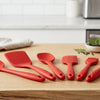
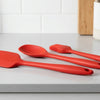
When buying pans, it's crucial to pair them with the right utensils to protect your investment and ensure food safety. The right spatula set not only prevents scratches on delicate surfaces but also makes flipping, stirring, and serving effortless. By choosing high-quality silicone spatulas, you safeguard your new pans and elevate your cooking experience from day one.
Pans 101 – Core Concepts to Know Before You Buy

Pans are flat-bottomed wonders for sautéing, frying, and searing, distinct from deep pots with their taller sides (>3 inches for boiling versus <2 inches for evaporation). Understanding key components guides smarter buying pans decisions: bases need cladding for even heat distribution, sides slope for tossing or stay straight for sauces, handles should be riveted stainless that stays cool 3x longer than plastic.
Size matters for capacity and performance. An 8-inch handles 1-2 eggs, 10-inch accommodates 2 steaks, while 12-inch feeds family stir-fry (capacities: 2qt small, 4qt large). Measure your stove burner, pan base should equal burner size plus 1 inch overhang for optimal heat transfer.
Oven-safety transforms versatility. Check manufacturer specs for temperature limits (typically up to 500°F). Round shapes ensure even browning, while square maximizes surface area. Store efficiently by stacking with liners, hanging via holes, or nesting in drawer dividers to protect surfaces and extend lifespan.
For more tips on choosing the right utensils to complement your new pans, explore our guide on spatulas and discover how the right tools can make a difference in your kitchen.
Sets vs. Individual Pans – Which Buying Strategy Wins for You?
Sets promise convenience with 8-12 pieces for $200-500, but often duplicate lids over essentials like skillets. Individual purchases let you cherry-pick, one premium 10-inch skillet at $100 can last a lifetime with proper care.
| Aspect | Sets | Individuals |
|---|---|---|
| Cost | Bulk discount, but 20% often unused | Higher per piece, tailored value |
| Fit | Generic sizing, misses specialty needs | Custom to your cooking style |
| Quality | Consistent across pieces | Mix premium with budget strategically |
Beginners benefit from starter sets minus duplicates, while advanced cooks should build with one quality skillet plus Dutch oven first. Holiday hosts often need individual specialty pieces like roast pans. Audit your needs by listing 7 essentials: skillet, saucepan, sauté pan. Buy sets only when extras stay under 10% of total pieces, and always pair with DI ORO™ tongs for safe, confident handling.
Top Materials for Pans – Match to Your Cooking Style and Stove
Materials dictate performance through heat conductivity: copper leads at 800 BTU/hr while stainless steel manages 15 BTU/hr. Test your stove compatibility, induction requires ferrous bases (magnet sticks), while glass tops need perfectly flat bottoms. Acidic foods react with plain cast iron in under 5 minutes, so opt for enameled or stainless steel for tomato sauces and wine reductions. Always match your pan material to your most frequent recipes and your stove type for best results.
Material Showdowns – Head-to-Head Analysis for Smart Buys

When buying pans, material choice determines everything from heat distribution to maintenance demands. Each material excels in specific scenarios, so understanding these head-to-head matchups helps you invest wisely rather than guess.
| Criteria | Cast Iron | Stainless Steel | Carbon Steel | Ceramic Nonstick |
|---|---|---|---|---|
| Heat Retention | Excellent (2x longer) | Moderate | Good | Fair |
| Weight | Heavy (3-5 lbs) | Medium (2-3 lbs) | Light (1.5-2 lbs) | Light (1-2 lbs) |
| Oven Safety | 600°F+ | 500°F+ | 600°F+ | 400°F max |
| Maintenance | Season regularly | Minimal | Season initially | Hand wash only |
Cast Iron vs. Stainless Steel: Cast iron dominates searing and heat retention but demands seasoning care. Stainless steel offers versatility and dishwasher convenience while handling acidic foods without reaction. Choose cast iron for steaks and cornbread; stainless for everyday sautéing and sauce-making.
Carbon Steel vs. Ceramic Nonstick: Carbon steel develops natural nonstick properties through use while handling high heat like cast iron's lighter cousin. Ceramic nonstick provides immediate egg-sliding performance without PFAS chemicals but degrades faster under metal utensils. Professional chefs favor carbon steel for woks; home cooks love ceramic for delicate proteins.
Your cooking style determines the winner. High-heat searing? Cast iron or carbon steel. Gentle eggs and fish? Ceramic or well-seasoned carbon steel. All-purpose workhorse? Tri-ply stainless steel handles everything competently. Pair any choice with DI ORO™ silicone spatulas, our award-winning tools protect every surface while keeping your food forever-chemical free.
For those using nonstick cookware, it's important to select utensils that won't damage the surface. Learn more in our article on the heavy duty silicone turner for nonstick pans and discover why silicone is the top choice for preserving your pans.
Health-First Pans – Dodge Forever Chemicals and Cook Safely
Traditional nonstick coatings release PFOA and PFAS compounds when scratched or overheated above 450°F, chemicals that persist in your body for years. These "forever chemicals" leach into food through micro-scratches invisible to the naked eye, accumulating with each meal.
Safe alternatives eliminate coating concerns entirely. Ceramic nonstick uses plant-based, PFAS-free surfaces that perform similarly without chemical risks. Stainless steel requires no coatings, just proper preheating and fat for release. Enameled cast iron provides nonstick-like convenience through glass coating that won't chip into food when quality-made.
This health-first approach aligns perfectly with DI ORO™ philosophy. Our pro-grade, forever-chemical-free silicone tools complement safe cookware choices, no leaching from spatulas, no coating damage from metal utensils. When your pans and tools both prioritize health, every meal becomes cleaner.
Quick Safety Check: Run a fingernail across nonstick surfaces. Any roughness indicates coating breakdown and potential chemical exposure. Replace immediately and switch to uncoated alternatives for long-term health protection.
For a deeper dive into the pros and cons of silicone utensils and bakeware, check out this external resource on the pros and cons of silicone in the kitchen.
Best Pans for Every Level and Need – Curated Recommendations
Beginner-Friendly Essentials
Best for: New cooks building their first quality collection
Start with a 10-inch tri-ply stainless steel skillet under $80. This size handles two steaks, four eggs, or family stir-fries while teaching proper preheating technique. Look for riveted handles and induction compatibility for future stove upgrades.
Egg Cooking Specialists
Best for: Perfect omelets and delicate proteins
Ceramic nonstick delivers immediate release without chemical concerns. Choose 8-inch for individual portions or 10-inch for family scrambles. Avoid dishwashers and metal utensils to extend coating life beyond typical 2-year spans.
For those who love breakfast, try this delicious kale egg bake recipe, it's a perfect match for your new nonstick pan and silicone spatula set.
High-Heat Searing Champions
Best for: Steaks, burgers, and crusty proteins
Lodge 10.25-inch cast iron skillet at $25 delivers restaurant-quality sears while building seasoning naturally. Pre-season with flaxseed oil for faster nonstick development. Handles oven-to-stovetop transitions seamlessly.
Every recommendation pairs beautifully with DI ORO™ spatulas, our America's Test Kitchen winners protect surfaces while providing the control needed for perfect flips.
To ensure your utensils can handle the heat, read our guide on the heat resistant spatula for nonstick pans and make the most of your cookware investment.
Master Pan Care – Extend Life, Fix Common Issues

Warping happens when thin bases (under 2.5mm) hit high heat too fast, prevent this with gradual preheating and thick clad construction. Stainless steel sticking? Heat the pan for 90 seconds, add oil, wait for shimmer. Cast iron rust requires immediate action: scrub with coarse salt, rinse, dry completely, then re-season with a thin oil layer baked at 450°F for one hour.
Burnt food releases with a baking soda paste (1:1 with water) after 30 minutes of soaking. Hotspots indicate poor heat distribution, only tri-ply or fully-clad bases solve this permanently. For ceramic and enameled surfaces, avoid temperature shock by letting pans cool naturally rather than plunging into cold water.
Seasoning cast iron properly requires three cycles: apply 2 tablespoons of neutral oil, bake at 350°F for one hour, cool completely, repeat. Nonstick pans lose coating after 50 dishwasher cycles, hand wash with soft sponges only. When buying pans, factor in these care requirements to match your maintenance preferences.
For more information on the safety and science behind silicone bakeware and utensils, see this government resource on investigating silicone bakeware.
Real scenario: A rusty cast iron pan can be completely restored in one day using this method, saving the $60+ replacement cost while building better seasoning than factory finishes.
Smart Buying Strategy – Your Final Verdict
Start with three essentials: a 10-inch stainless steel skillet for versatility, a 5.5-quart enameled Dutch oven for braising, and a 12-inch carbon steel pan for high-heat cooking. This trio covers 90% of home cooking techniques while avoiding the waste common in pre-packaged sets.
Budget $200-400 for this foundation, quality pans last 15-25 years, making the cost per use under $0.10. Prioritize tri-ply construction for even heating, stay-cool handles for safety, and oven-safe ratings of at least 500°F for versatility. When buying pans, remember that health-first materials like stainless steel and enameled cast iron protect your family from forever chemicals.
Future-proof your investment by choosing induction-compatible bases even if you currently use gas, kitchen upgrades often include stove changes. Test your selections with the magnet rule: if it sticks to the bottom, it works on induction.
Your cooking confidence grows with reliable tools. Pair quality pans with DI ORO™ spatulas and tongs for a complete system that turns kitchen frustration into culinary creativity. The right pans don't just cook food, they transform home chefs into confident creators who cook boldly and serve proudly.
Ready to upgrade? Start with one premium piece rather than a mediocre set. Your future self will thank you for choosing tools that perform, protect, and last.
Frequently Asked Questions
What are the health benefits of choosing non-toxic materials like stainless steel or ceramic for my pans?
Non-toxic materials like stainless steel and ceramic avoid harmful chemical leaching, keeping your food pure and safe. They also resist scratching and degradation, ensuring your cookware stays free from forever chemicals that can compromise health over time.
How do I determine the right pan size and material based on my cooking style and stove type?
Match pan size to your typical meal portions, small for sauces, large for family-sized dishes. Choose materials that suit your stove: stainless steel for induction, cast iron for high-heat searing, and ceramic for gentle, even cooking. Consider your cooking habits to pick the best fit for performance and durability.
Why is it important to invest in quality pans, and how can I tell when it's time to replace old cookware?
Quality pans deliver even heat, reduce cooking time, and last for decades, making them a smart long-term investment. Replace pans showing warping, pitting, or uneven surfaces, signs they no longer cook safely or efficiently and may risk food quality and health.
How do silicone spatulas complement my pans and contribute to maintaining their durability and safety?
Silicone spatulas protect your pans from scratches and damage, especially on delicate non-stick or ceramic surfaces. Made from pro-grade, forever-chemical-free silicone, they keep your cookware safe while making stirring, flipping, and scraping effortless and hygienic.


Please upload banner from store admin blog pages