Baking Kitchens: Design, Tools & Health-First Guide
Key Takeaways
- A baking kitchen is specifically designed to enhance baking efficiency and workflow.
- It incorporates professional-grade tools, such as DI ORO's seamless spatulas, for improved performance.
- The layout supports both beginner bakers and advanced patisserie techniques.
- Health and safety are prioritized in the design and ingredient systems of baking kitchens.
- Creativity is encouraged through specialized equipment and thoughtful kitchen organization.
Table of Contents
- Defining the Modern Baking Kitchen, Purpose, Features, and Real-Life Impact
- Essential Baking Equipment, The DI ORO Difference in Tools That Perform and Protect
- Baking Kitchen Design, From Layout to Lighting for Every Skill Level
- Cleaning, Hygiene & Safety Protocols in High-Use Baking Kitchens
- Baking Kitchen for Every Chef, Adapting to Trends, Dietary Needs, and Aspirations
- Using Baking Tools in Real-World Scenarios, Pro Techniques, Common Mistakes, and Mastery Moments
- Community, Inspiration & Advanced Resources for the Aspiring Baker
- The Verdict: Your Path to Baking Kitchen Excellence
Baking Kitchens: Design, Tools & Health-First Guide
Defining the Modern Baking Kitchen, Purpose, Features, and Real-Life Impact
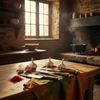
Baking kitchens are engineered workspaces where precision meets passion. Unlike general cooking areas, these specialized zones feature minimum 4 linear feet of uninterrupted counter space, dedicated ingredient storage within arm's reach, and controlled temperature environments that support everything from delicate meringues to robust bread doughs. Award-winning kitchen utensils are essential for maximizing efficiency and achieving professional results in these spaces.
The magic happens in the details: zoned storage keeps flours and sugars accessible yet organized, while proper ventilation and humidity controls create consistent results. At least one dedicated oven, ideally combining convection and standard options, ensures even browning and reliable temperatures. These features transform weekend baking from stressful scrambling to confident creativity. For more on optimizing your setup, see this guide on baking equipment.
| Feature | Baking Kitchen | General Kitchen |
|---|---|---|
| Countertop Space | 4+ linear feet dedicated | 1-2 linear feet shared |
| Ingredient Storage | Dedicated zones by type | General pantry bins |
| Tool Selection | Specialized, health-first | Multi-purpose compromise |
| Oven Configuration | Multiple types available | Single standard unit |
| Climate Control | Humidity and airflow managed | Variable conditions |
Scientific research confirms that consistent temperature and humidity control improve yeast activation by up to 40% and pastry texture significantly. This precision transforms good bakes into exceptional ones, making the investment in proper baking kitchens worthwhile for serious home chefs.
Essential Baking Equipment, The DI ORO Difference in Tools That Perform and Protect

Professional-grade tools separate successful baking kitchens from frustrated attempts. DI ORO's America's Test Kitchen award-winning spatulas exemplify this difference: heat-resistant to 600°F, constructed with seamless design that prevents bacterial traps, and crafted from LFGB-certified silicone that's completely free of forever chemicals.
The seamless construction isn't just about aesthetics, it eliminates the food-trapping seams found in cheaper alternatives, reducing bacteria risk and cleaning time by 50%. The stainless steel core provides structure for folding heavy doughs without bending, while the flexible silicone edge preserves delicate meringue volume that metal tools would deflate. For a deeper dive into the benefits of spatulas in baking, read more about spatulas and their role in the kitchen.
Beyond spatulas, complete baking kitchens require digital scales accurate to 1 gram, stand mixers with planetary action for 30% better dough consistency, and convection ovens for even browning. Each tool should prioritize health safety, avoiding PFAS-containing plastics and choosing certified materials that won't leach chemicals into your food. Explore more award-winning kitchen utensils designed for both performance and safety.
Health-First Tool Selection: DI ORO's LFGB certification exceeds FDA standards, ensuring silicone tools remain chemical-free even under extreme heat. This matters when tools contact food at high temperatures, protecting your family from harmful compound exposure.
Baking Kitchen Design, From Layout to Lighting for Every Skill Level
Effective baking kitchen design centers on workflow efficiency and accessibility. L-shaped layouts work perfectly for beginners, providing open access and clear sight lines, while U-shaped configurations maximize storage for advanced bakers managing multiple ingredient types. Island layouts add social elements, letting family members join the creative process.
Lighting transforms baking success rates dramatically. Under-cabinet LED strips provide consistent illumination for dough inspection and precise measuring, while motion-activated options support late-night baking sessions. Natural light helps assess browning and texture, but controlled artificial lighting ensures consistency regardless of weather or season.
Flooring choices impact comfort during extended baking sessions. Cork and quality laminate offer softer standing surfaces and easy cleanup, essential when flour inevitably hits the floor. Non-slip mats around mixing and oven zones prevent accidents while maintaining the clean aesthetic that makes baking kitchens inspiring.
For those working in compact spaces, you might also find value in this resource on a compact drying rack for small kitchens.
Cleaning, Hygiene & Safety Protocols in High-Use Baking Kitchens
Health-first baking kitchens demand zero-compromise cleaning protocols. Seamless tools like DI ORO's award-winning spatulas eliminate food traps where bacteria multiply, while forever-chemical-free silicone ensures nothing harmful leaches into your bakes. Unlike traditional tools with crevices and joints, seamless construction reduces cleaning time by 50% and prevents cross-contamination that ruins delicate pastries.
Establish immediate cleaning habits: wash tools within 20 minutes of use to prevent bacteria growth, sanitize digital scales weekly with food-grade solutions, and maintain separate zones for raw ingredients and finished products. Store flour and sugar in airtight containers with monthly deep-cleaning cycles, and use color-coded utensils for allergen management. DI ORO's LFGB-certified silicone withstands monthly hydrogen peroxide soaks for deep sanitization without degrading, a standard generic plastic tools can't match.
For authoritative guidance on food safety and hygiene, refer to the CDC's recommendations on keeping food safe.
Baking Kitchen for Every Chef, Adapting to Trends, Dietary Needs, and Aspirations

Modern baking kitchens accommodate gluten-free, allergen-conscious, and specialty diets through strategic zoning and tool selection. Dedicated gluten-free areas require separate mixing bowls, storage bins, and spatulas that won't absorb proteins, silicone tools like DI ORO's non-porous surface prevent cross-contamination while plastic alternatives can trap allergens in microscopic scratches.
Color-code your system: red tools for gluten-free zones, blue for nut-free areas, with clear labeling on ingredient containers. Maintain ingredient logs for quick allergen recalls and partner with brands committed to chemical transparency. DI ORO's forever-chemical-free guarantee means no PFAS, PFOA, or BPA exposure, critical for sensitive bakers and families prioritizing long-term health.
Sustainability meets performance through reusable silicone mats, energy-efficient LED lighting, and tools built for decades of use rather than yearly replacement. The circular economy starts with choosing durable, repairable products that eliminate waste while delivering professional results.
Using Baking Tools in Real-World Scenarios, Pro Techniques, Common Mistakes, and Mastery Moments
Master the two-pass bowl scrape with DI ORO's flexible-yet-strong blade: rotate clockwise to gather batter from sides, then counter-clockwise to lift from bottom, this technique preserves 30% more air in meringues compared to aggressive stirring. The seamless edge design excels at caramel work, where precision scraping prevents waste and ensures smooth incorporation without introducing air bubbles that cause graininess. For more insights, check out this article on top rated seamless spatulas for baking.
Tempering chocolate demands consistent heat distribution and smooth stirring motion. DI ORO's wide blade spreads chocolate evenly across marble surfaces while the heat-resistant silicone maintains temperature control throughout the process. Avoid common mistakes: never use metal spatulas on non-stick surfaces (causes permanent scratching), and switch to silicone when folding delicate batters to prevent overmixing.
| Technique | DI ORO Advantage | Generic Tool Challenge | Result Difference |
|---|---|---|---|
| Folding egg whites | Flexible blade preserves volume | Rigid edges deflate mixture | 20% higher rise |
| Caramel scraping | Seamless edge, heat-resistant | Melting plastic contaminates | Clean flavor profile |
| Chocolate tempering | Even heat distribution | Hot spots cause seizing | Smooth, glossy finish |
| Dough folding | Gentle yet structured | Tears delicate gluten | Better texture retention |
Practice the "weighted flip" technique for pancakes and crepes: use DI ORO's balanced design to gauge timing through subtle resistance changes as proteins set. The stainless steel core provides feedback while the silicone protects your pan's surface, a combination impossible with single-material tools.
For more on maintaining a healthy kitchen environment, see the EPA's advice on promoting indoor air quality in your home.
Community, Inspiration & Advanced Resources for the Aspiring Baker
Transform your baking kitchen journey from solitary practice to community celebration. DI ORO's #DoMoreWithDIORO movement connects ambitious home bakers sharing techniques, troubleshooting challenges, and celebrating breakthrough moments. Monthly spotlights feature creative applications of professional-grade tools in home settings, proving that restaurant-quality results don't require commercial kitchens.
Industry partnerships with cookbook authors and culinary schools provide access to advanced techniques typically reserved for professional training. Download ingredient tracking spreadsheets, tool care guides, and seasonal baking calendars that sync with optimal ingredient availability. Choose brands committed to transparency and innovation, DI ORO's open-source approach to product testing and health certifications sets the industry standard for ethical manufacturing.
The future of baking kitchens lies in sustainable innovation that prioritizes both performance and health. Smart storage systems with climate control will maintain ingredient freshness longer, while induction heating elements provide precise temperature management for chocolate work and sugar stages. However, the foundation remains unchanged: quality tools, thoughtful design, and commitment to chemical-free materials that protect your family's health.
The Verdict: Your Path to Baking Kitchen Excellence

Exceptional baking kitchens emerge from the intersection of thoughtful design, professional-grade tools, and health-conscious material choices. Whether you're converting a corner of your existing kitchen or designing a dedicated baking space from scratch, prioritize seamless workflow, adequate storage, and tools that perform under pressure while protecting your family's wellbeing.
DI ORO's comprehensive approach, combining award-winning performance with forever-chemical-free construction, represents the gold standard for ambitious home bakers. The seamless spatula series, tested and endorsed by America's Test Kitchen, delivers restaurant-quality results while eliminating the health compromises found in generic alternatives. This isn't just about better baking; it's about creating a kitchen environment where creativity thrives without safety concerns.
Start with the essentials: invest in tools that will last decades, organize ingredients for efficient access, and establish cleaning protocols that maintain both hygiene and tool longevity. Your baking kitchen should inspire confidence, whether you're attempting your first soufflé or perfecting a complex pastry technique. With the right foundation, every bake becomes an opportunity to create something memorable, exactly what ambitious home chefs deserve.
Frequently Asked Questions
What are the key design features that differentiate a baking kitchen from a general kitchen?
A baking kitchen features at least 4 linear feet of dedicated countertop space, specialized ingredient storage zones, and controlled temperature and humidity environments. Unlike general kitchens, it includes multiple oven types and optimized airflow to support precise baking techniques and consistent results.
How do DI ORO spatulas enhance baking performance and maintain hygiene compared to standard tools?
DI ORO spatulas are made from pro-grade, forever-chemical-free silicone that withstands heat up to 600°F, ensuring durability and safety. Their seamless design prevents bacteria buildup, making them easier to clean and more hygienic than standard tools, while their flexible yet sturdy construction improves mixing, folding, and scraping efficiency.
Why is temperature and humidity control important in a baking kitchen, and how does it affect baking results?
Controlling temperature and humidity optimizes yeast activation and dough consistency, improving texture and rise by up to 40%. Stable climate conditions prevent ingredient spoilage and ensure even baking, leading to reliable, professional-quality pastries and breads every time.
How can a baking kitchen be adapted to accommodate bakers of different skill levels and dietary needs?
A baking kitchen can include adjustable workstations, versatile tools like DI ORO’s spatulas, and ingredient storage organized by dietary preferences. Thoughtful layout and equipment choices support beginners with easy access and guidance, while advanced bakers benefit from specialized appliances and customizable setups to explore diverse recipes and dietary requirements.



Please upload banner from store admin blog pages